Meliyan: A Delicate Script Font for Web Design
I was staring at a blank hero section for a boutique wedding planning website, searching for that perfect balance between elegance and readability. The client wanted something that felt personal, almost like a handwritten note, but needed to perform flawlessly across desktops and mobile devices. That is when I decided to test Meliyan, a thin, delicate, and genuine script font from the Script Amp collection. As a web designer who often bridges the gap between artistic flair and functional UI, finding a typeface that doesn't compromise on either front is rare. After integrating Meliyan into a live mockup and stress-testing it against various layouts, I have a clear sense of where this font shines in the digital landscape.
The Visual Personality of Meliyan in Digital Spaces
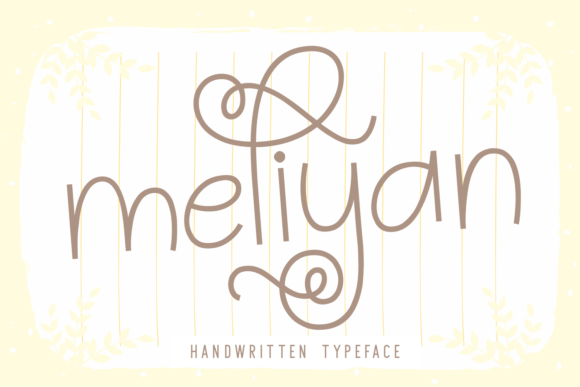
Meliyan immediately stands out as a premium display font designed to evoke emotion. Unlike many script fonts that feel stiff or overly decorative, Meliyan carries a natural flow that mimics the stroke of a fine-nib pen. In the context of modern typography, it offers a breath of fresh air for brands looking to establish a warm, approachable identity. When I first loaded the font into my design software, the thin strokes and delicate curves created an instant sense of sophistication without feeling heavy or cluttered.
This genuine script style is particularly effective for creating a high-end brand identity. It works beautifully as a visual anchor in hero sections, drawing the user's eye immediately to the main message. For a coaching website or a luxury service landing page, using Meliyan for the headline can instantly communicate care and attention to detail. The font's personality is soft yet confident, making it an excellent choice for editorial design elements within a web layout, such as pull quotes or featured blog titles.
Testing Readability and Responsive Layouts
One of the biggest challenges with any script font in web design is ensuring it remains legible on smaller screens. During my testing phase, I placed Meliyan over a light background image banner and then switched to a dark mode preview. On large desktop monitors, the thin lines of Meliyan rendered crisply, maintaining its delicate charm. However, responsiveness became the critical factor. On mobile devices, I found that while the font remained readable, it required careful sizing adjustments. The intricate details of the lowercase letters can sometimes get lost if the font size drops below 32 pixels on a small screen.
To mitigate this, I recommend using Meliyan primarily for short phrases, headlines, and call-to-action text rather than long paragraphs. In a responsive layout, the font performs best when paired with generous letter spacing and adequate line height. For instance, on a product landing page, using Meliyan for the "New Collection" announcement creates a focal point that guides the user's scanning behavior effectively. However, for body copy or dense information blocks, the thin weight of the script can strain the reader's eyes, especially on lower-resolution displays.
Strategic Font Pairing for Web Projects
No great web design relies on a single typeface. To make Meliyan work effectively in a full-page layout, strategic font pairing is essential. My go-to combination has been pairing this delicate script with a clean, geometric sans serif font for body text. This contrast creates a strong visual hierarchy; the bold, simple sans serif ensures that the informational content is easily digestible, while Meliyan adds the necessary creative flair to the headers.
Alternatively, for a more traditional or editorial look, pairing Meliyan with a classic serif font can yield stunning results. This combination works exceptionally well for portfolio sites or blogs focused on lifestyle and culture. The serif provides structure and authority, while the script introduces a human touch. When designing social media graphics that will be embedded on a site, this pairing maintains consistency across platforms, reinforcing the overall brand identity. Whether you are building a SaaS dashboard with a splash of personality or a course sales page that needs to feel inviting, the right pairing ensures that Meliyan enhances the UX rather than hindering it.
Ideal Use Cases and Limitations
Based on my practical experience, Meliyan excels in specific digital contexts. It is perfect for logo design, where a unique, handwritten feel can set a brand apart. I have also seen it used effectively in navigation menus for very niche, high-fashion websites, though this requires careful implementation to ensure accessibility. Other ideal uses include section dividers, testimonial highlights, and promotional banners on e-commerce sites. For example, a "Thank You" card graphic on a checkout confirmation page feels significantly more personal when written in Meliyan compared to a standard system font.
However, there are clear limitations to keep in mind. Meliyan is not suitable for long-form reading, technical documentation, or complex data-heavy interfaces. If your project involves dashboards, financial reports, or detailed form labels, the decorative nature of this script font could create friction for the user. Accessibility is another key consideration; users with visual impairments may struggle with the thin strokes and varying widths of the characters. Therefore, it should be reserved for decorative accents and display purposes rather than functional text that drives core interactions.
Licensing and Technical Implementation
Before implementing Meliyan in a client project or your own online store, it is crucial to verify the commercial font licensing. As a professional, I always check if the license covers web usage, specifically regarding the number of pageviews or domains allowed. Since Meliyan is part of the Script Amp category, it likely comes with robust features such as alternate characters, ligatures, and swashes, which can add variety to your design assets. Ensure you download the correct file formats (WOFF2, WOFF) for optimal web performance and fast loading times.
Additionally, check for multilingual support if your target audience is global. While the primary appeal of Meliyan is its elegant Latin script, understanding its character set limits is vital for international projects. By respecting these technical and legal boundaries, you ensure that your use of this creative font is both ethical and sustainable for your business.
In conclusion, Meliyan is a powerful tool for web designers aiming to inject warmth and elegance into their digital creations. When used thoughtfully—respecting its limitations and leveraging its strengths—it can transform a standard landing page into a memorable brand experience. Whether you are crafting a wedding invitation site, a boutique shop header, or a personal portfolio, this genuine script font offers a sophisticated solution that balances beauty with functionality.